
VectorED Network · Evaluation
Mosquito Identification & Surveillance
Evaluating three strategies for identifying mosquito species as part of routine, state-wide mosquito surveillance in Delaware.
About This Project
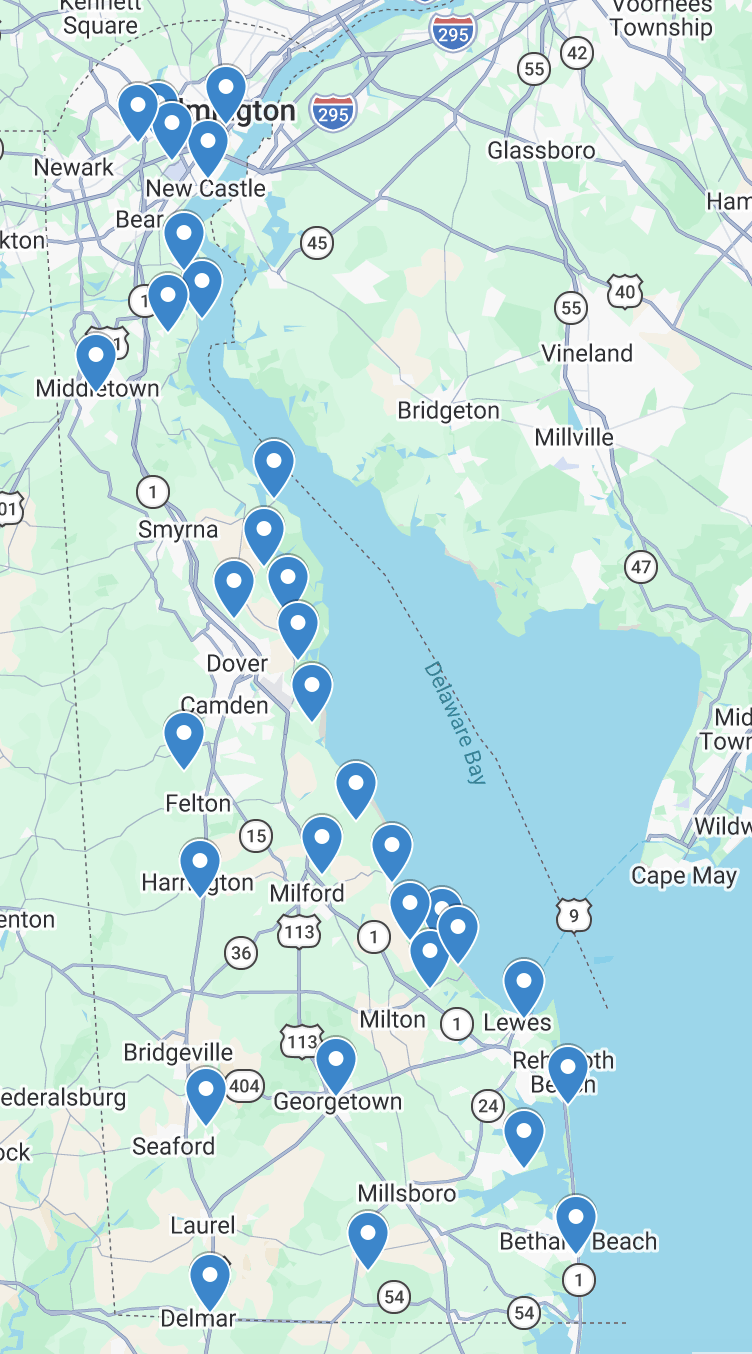
Mosquito surveillance is a foundational component of public health infrastructure. By monitoring which species are present and where, mosquito control agencies can make informed decisions about prevention, treatment, and resource allocation before disease transmission occurs.
This project evaluates three distinct methodologies for identifying mosquito species from pooled samples collected via standardized CDC light traps operated by Delaware's Mosquito Control Section. The three approaches span traditional microscopic examination, computer vision technology, and next-generation DNA sequencing, each offering different tradeoffs in accuracy, cost, and operational feasibility.
The results of this comparison will help determine which approach, or combination of approaches, is best suited for routine, large-scale mosquito surveillance programs at the state level and beyond.
Project Goals
Finding the Best Approach for State-Wide Surveillance
This project compares three methodologies for mosquito species identification in terms of precision and accuracy, cost, ease of implementation, and speed of generating data. The findings will help mosquito control agencies across Delaware and other states identify the most effective and practical approach for routine, large-scale surveillance operations.
Specific Objectives
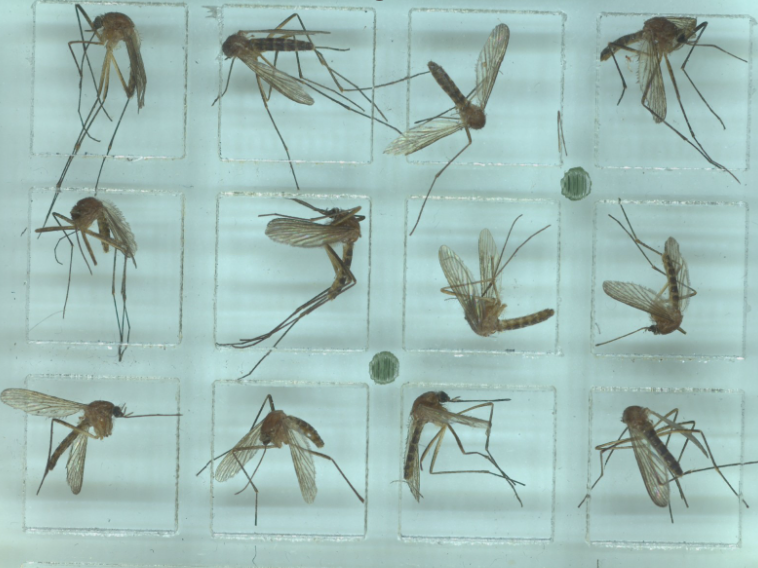
Microscopic ExaminationIdentify up to 100 individual mosquitoes per pool through traditional microscopic examination by a seasonal taxonomist, using samples collected from CDC light traps throughout Delaware.
Computer Vision via Vectech IDXScan 24 mosquitoes per pool using the Vectech IDX machine, which uses computer vision to identify mosquito species from physical specimens automatically.
DNA SequencingExtract DNA from the entire mosquito pool and sequence a mitochondrial gene using PacBio sequencing, combined with a bioinformatic pipeline to determine species composition and relative frequencies within each pool.
Comparative AnalysisCompare the three methods against one another in terms of accuracy, precision, cost, ease of implementation, and speed, to identify the most practical approach for routine state-wide mosquito surveillance.