VectorED Network · Training Programs
Student Training Network
Training undergraduates, graduate students, and professionals from diverse disciplines about vectors and vector-borne diseases.
Core Areas of Focus
The Student Training Network (STN) is built around three interconnected pillars that prepare students for careers or graduate studies in public health, epidemiology, ecology, veterinary sciences, and related fields.
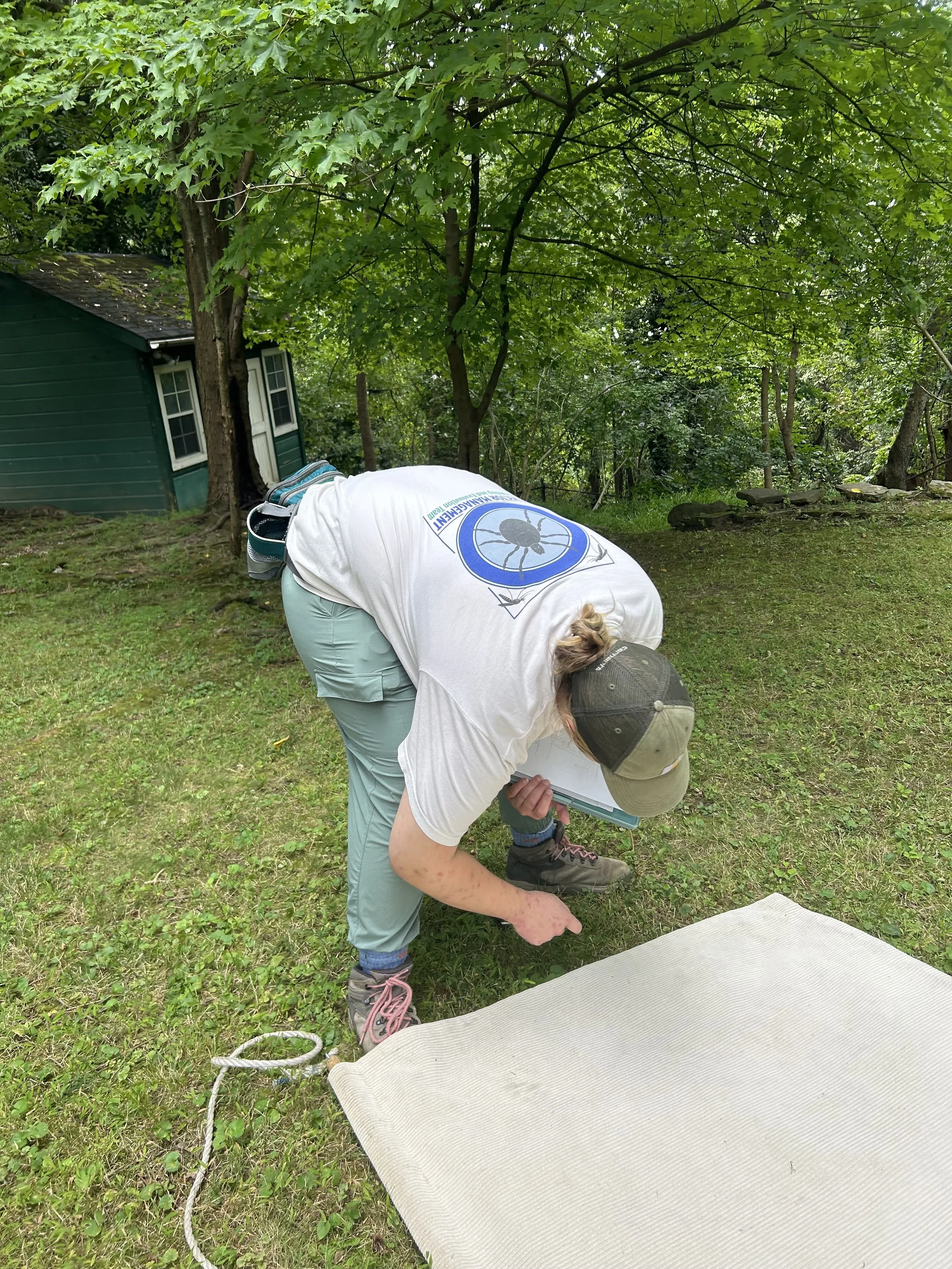
Skill Development
The STN fosters a diverse set of skills among undergraduate and graduate students — including research, data analysis, communication, and leadership — that are vital for careers in public health, epidemiology, ecology, and related fields.
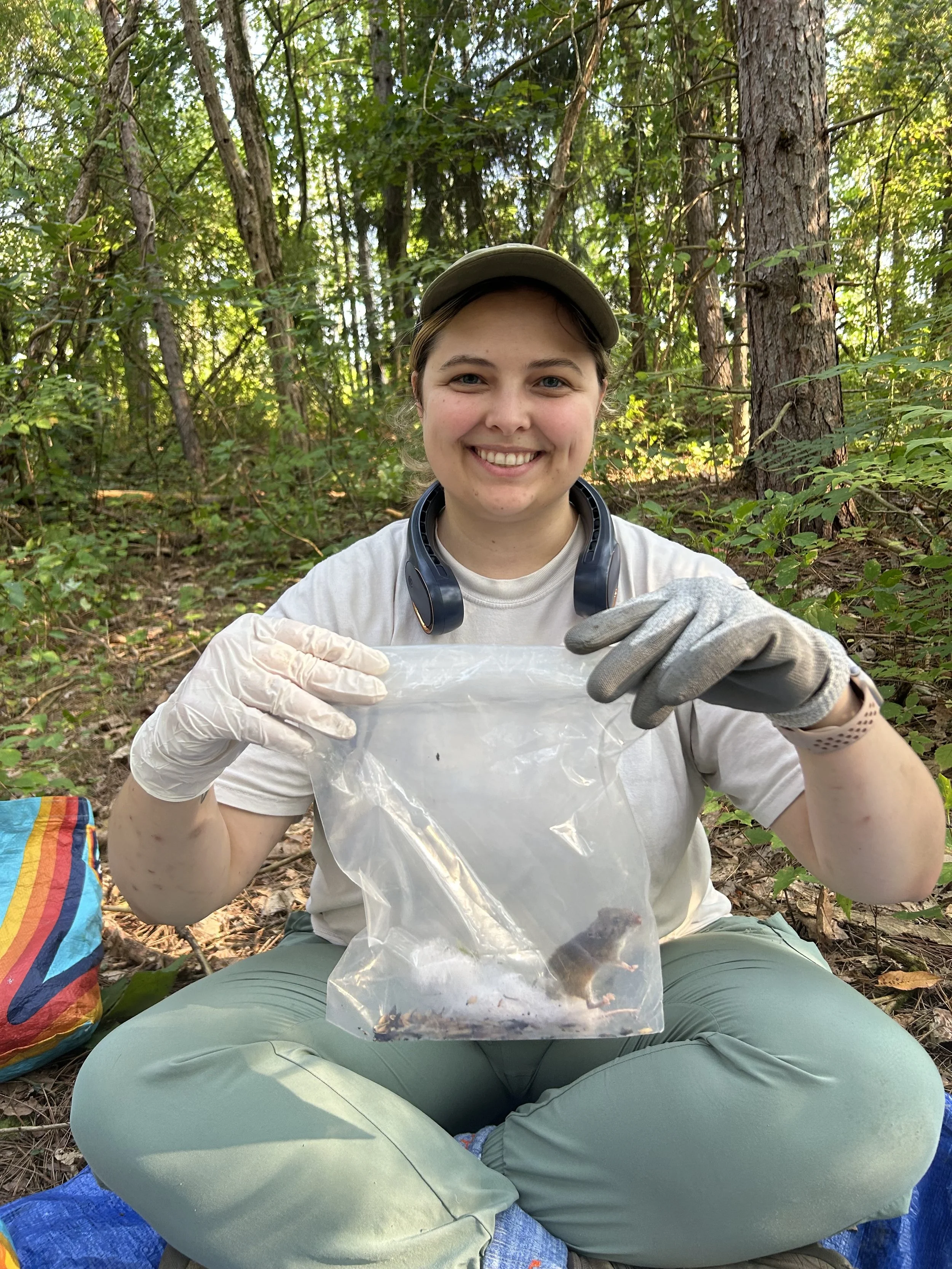
One Health
The STN emphasizes a One Health foundation, training students to understand and communicate how vector-borne diseases affect — and are affected by — the complex relationships between people, animals, and the environment.
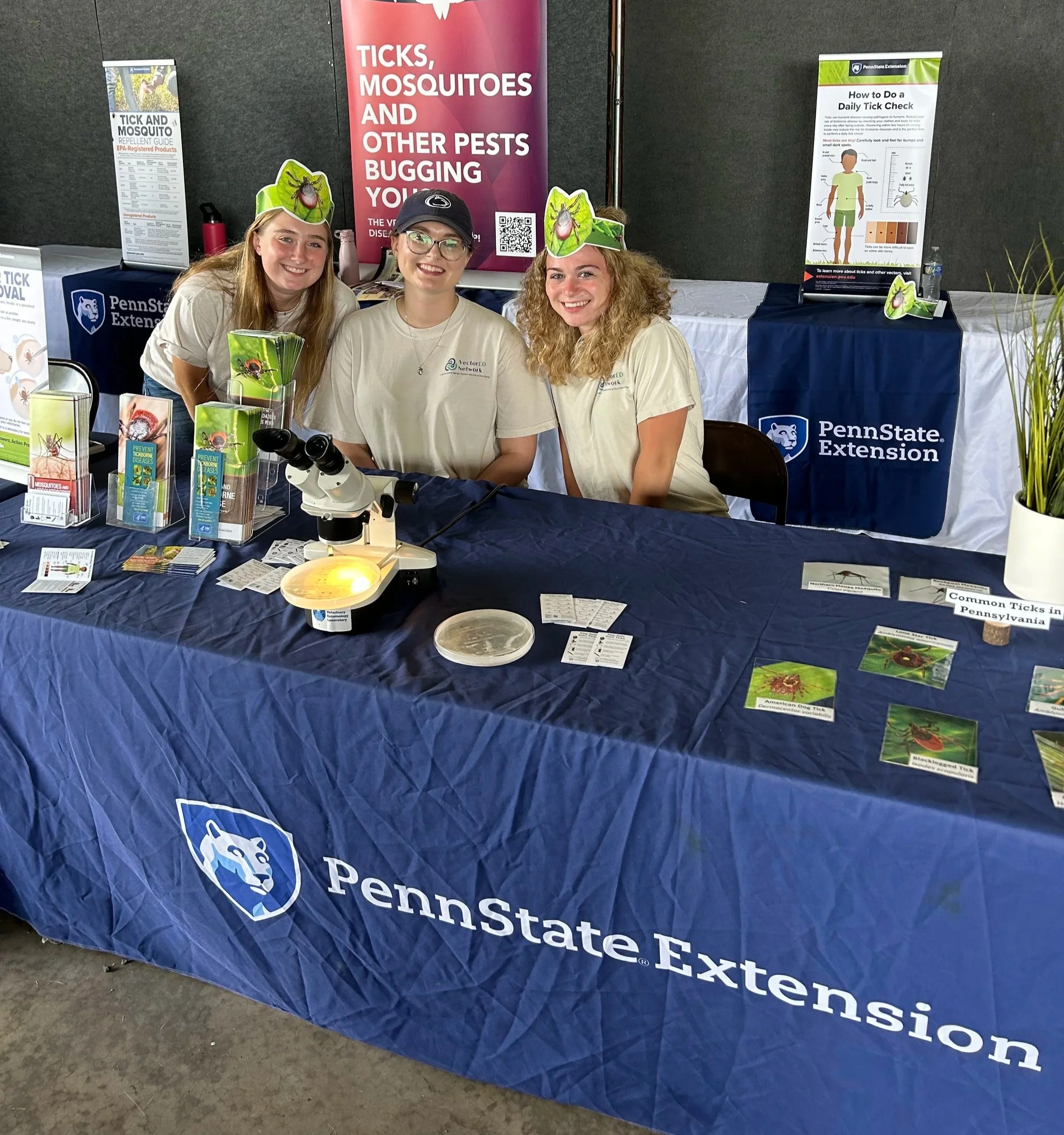
Critical Thinking
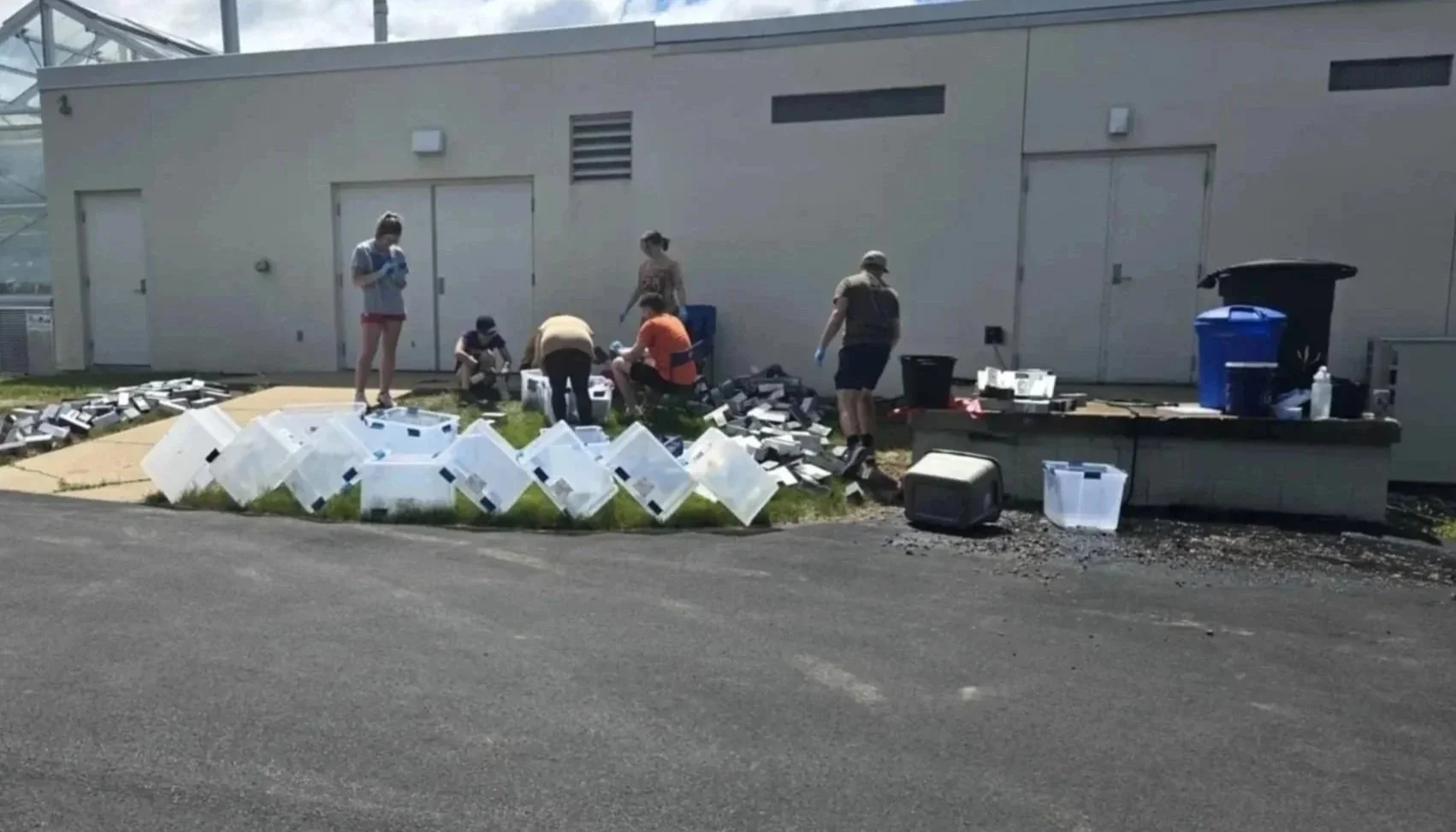
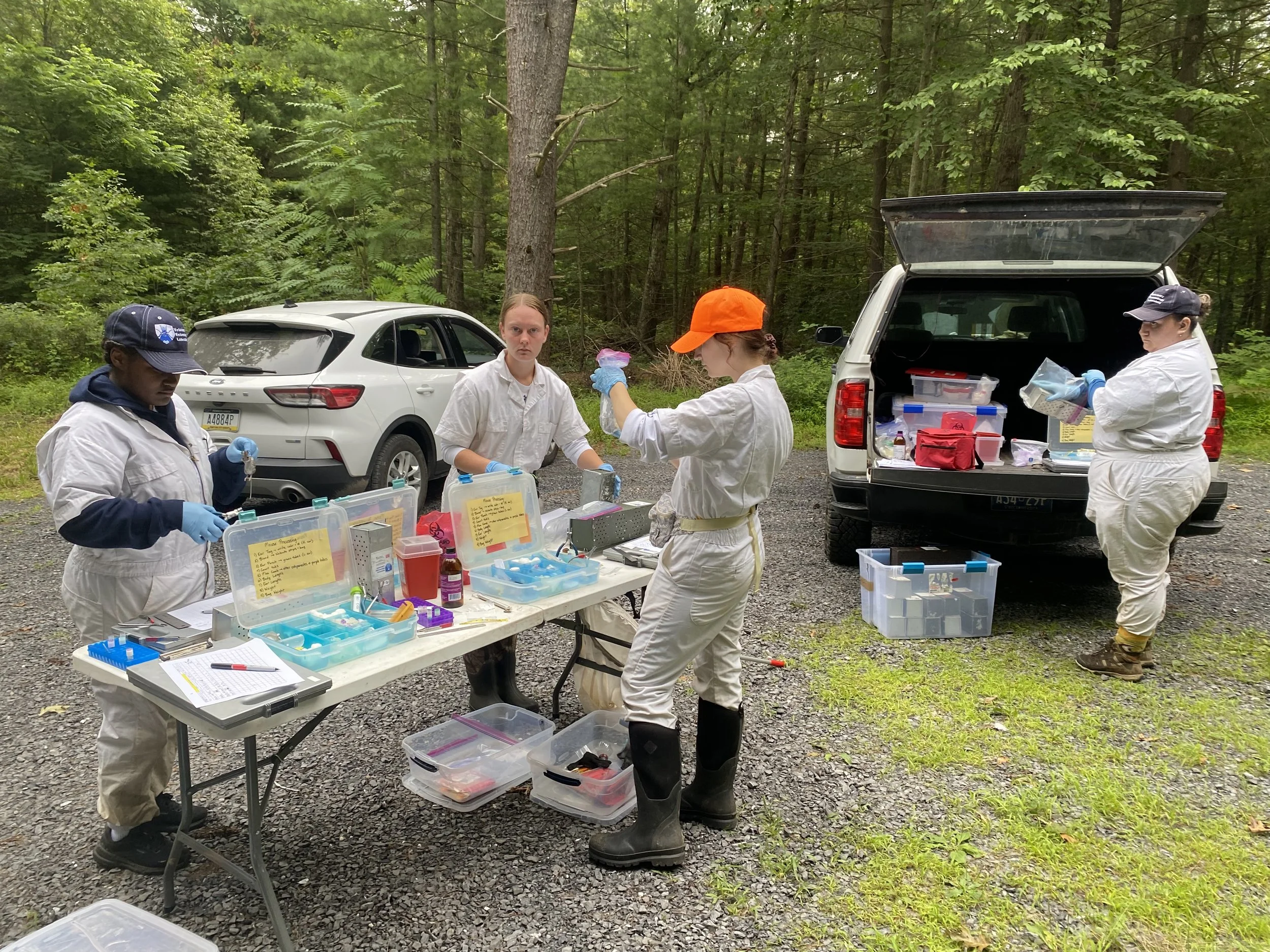
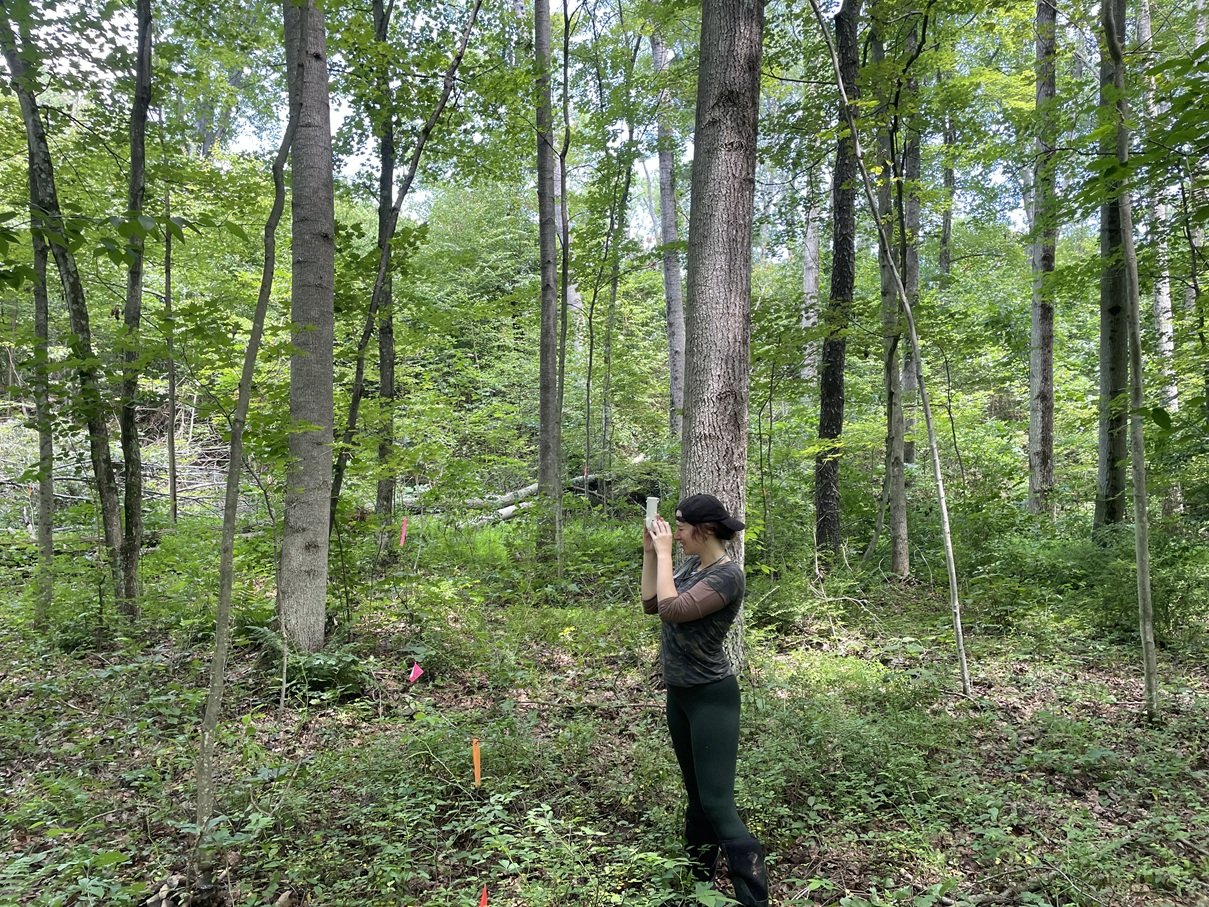
Through hands-on research and problem-solving activities, students develop critical thinking skills to analyze complex issues, evaluate evidence, and propose innovative solutions to vector-borne disease challenges.
Benefits of the STN
Membership in the Student Training Network offers hands-on experience, professional credentials, and a career-ready skill set.
Vector & Vector-borne Disease Skills
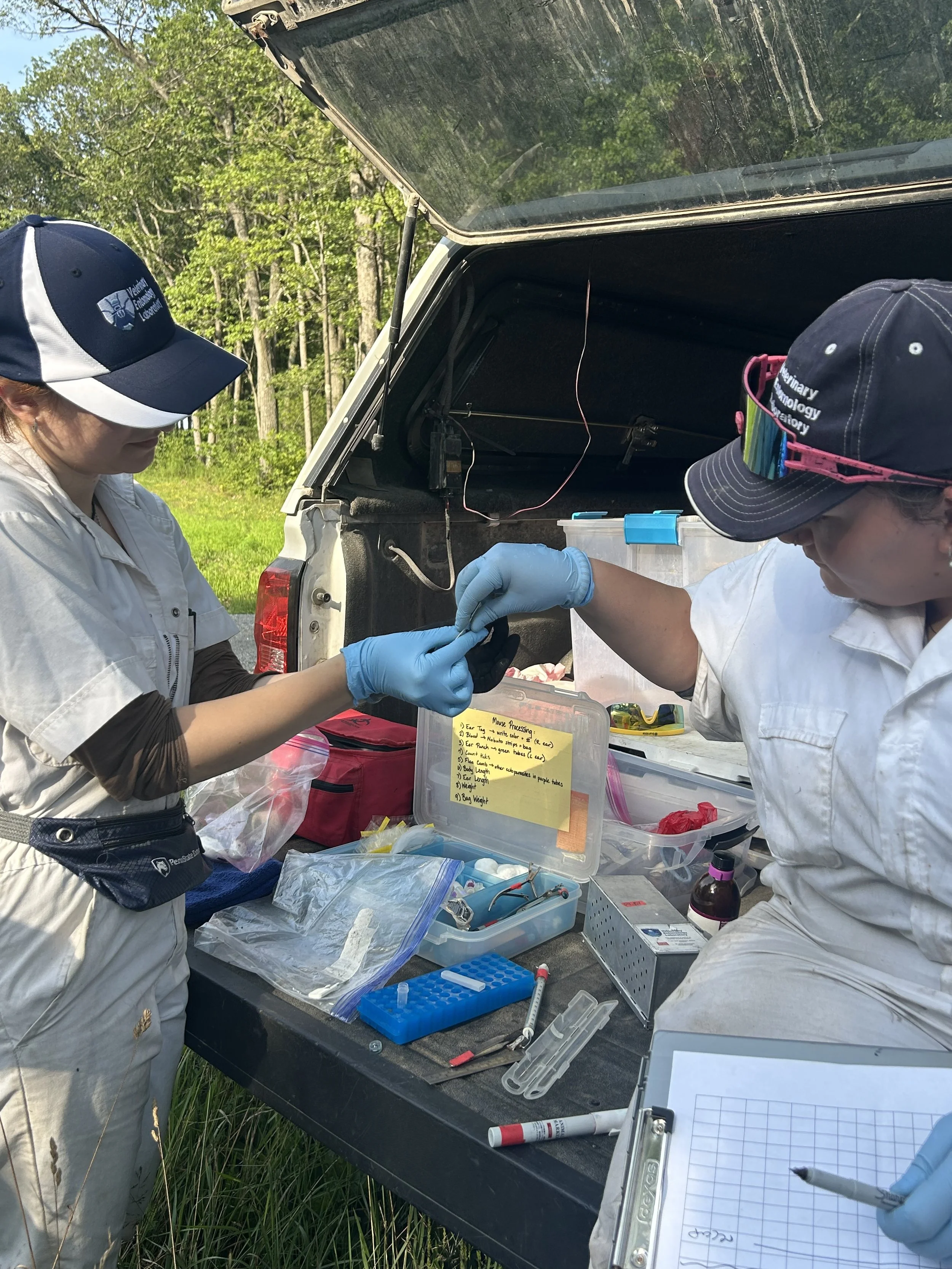
Learn unique skill sets in vector identification and biology that give you an edge when applying for jobs and prepare you to respond to public health concerns.
Professional Development & Resume Building
Complete modules on vector identification, biology, and One Health. Upon finishing the internship, earn three new certificates to add to your resume.
Funded Laboratory Experience
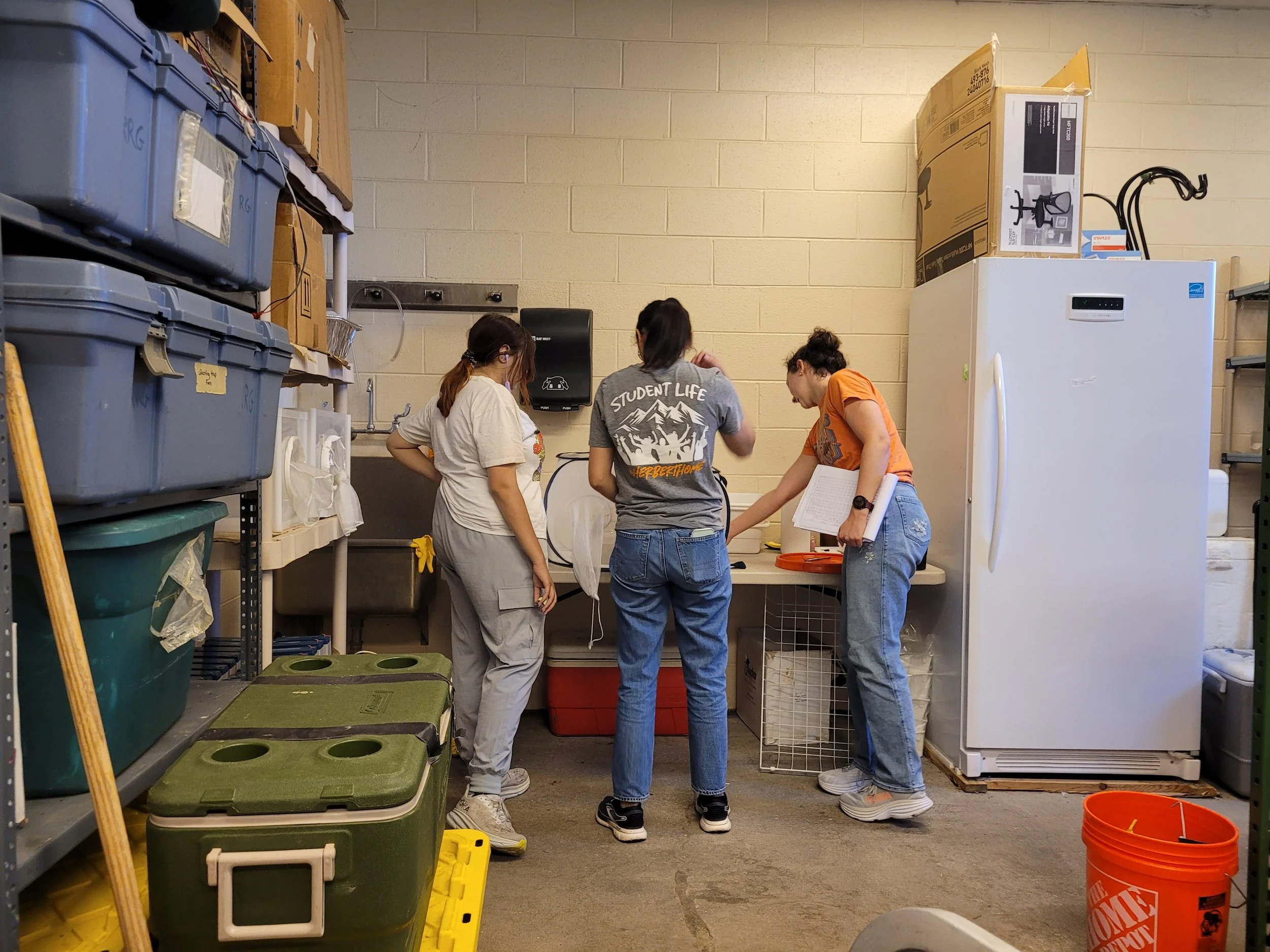
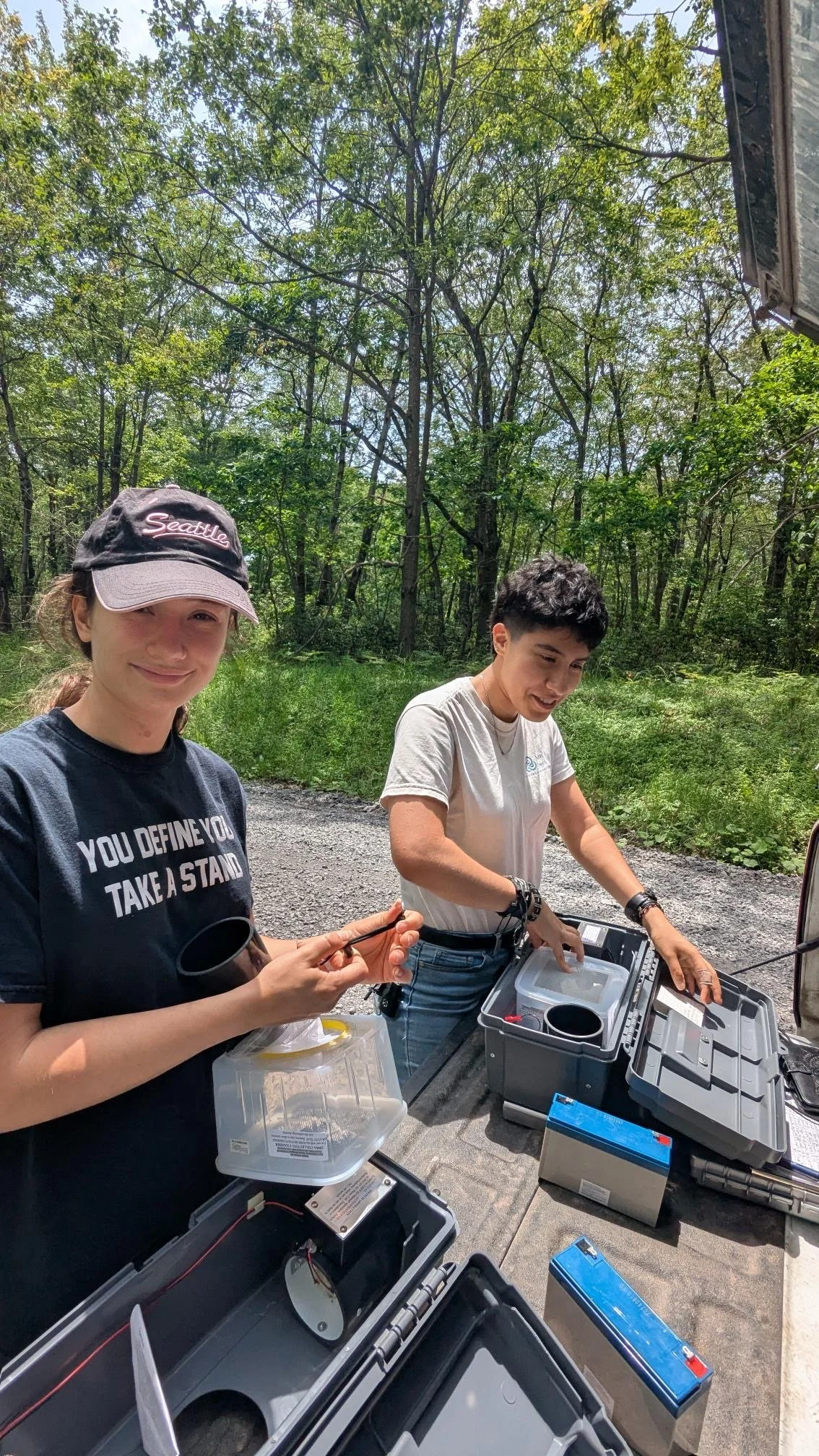
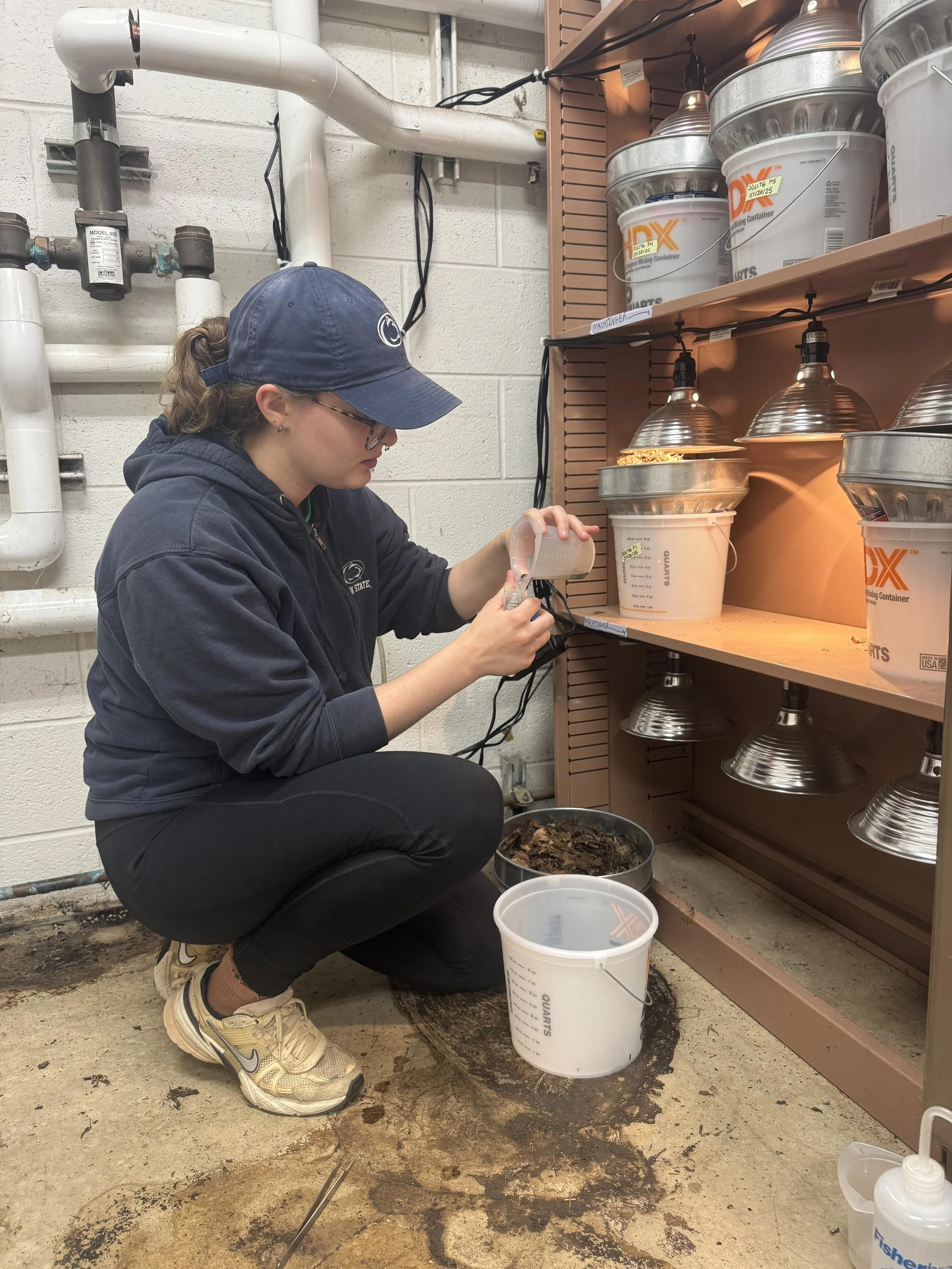
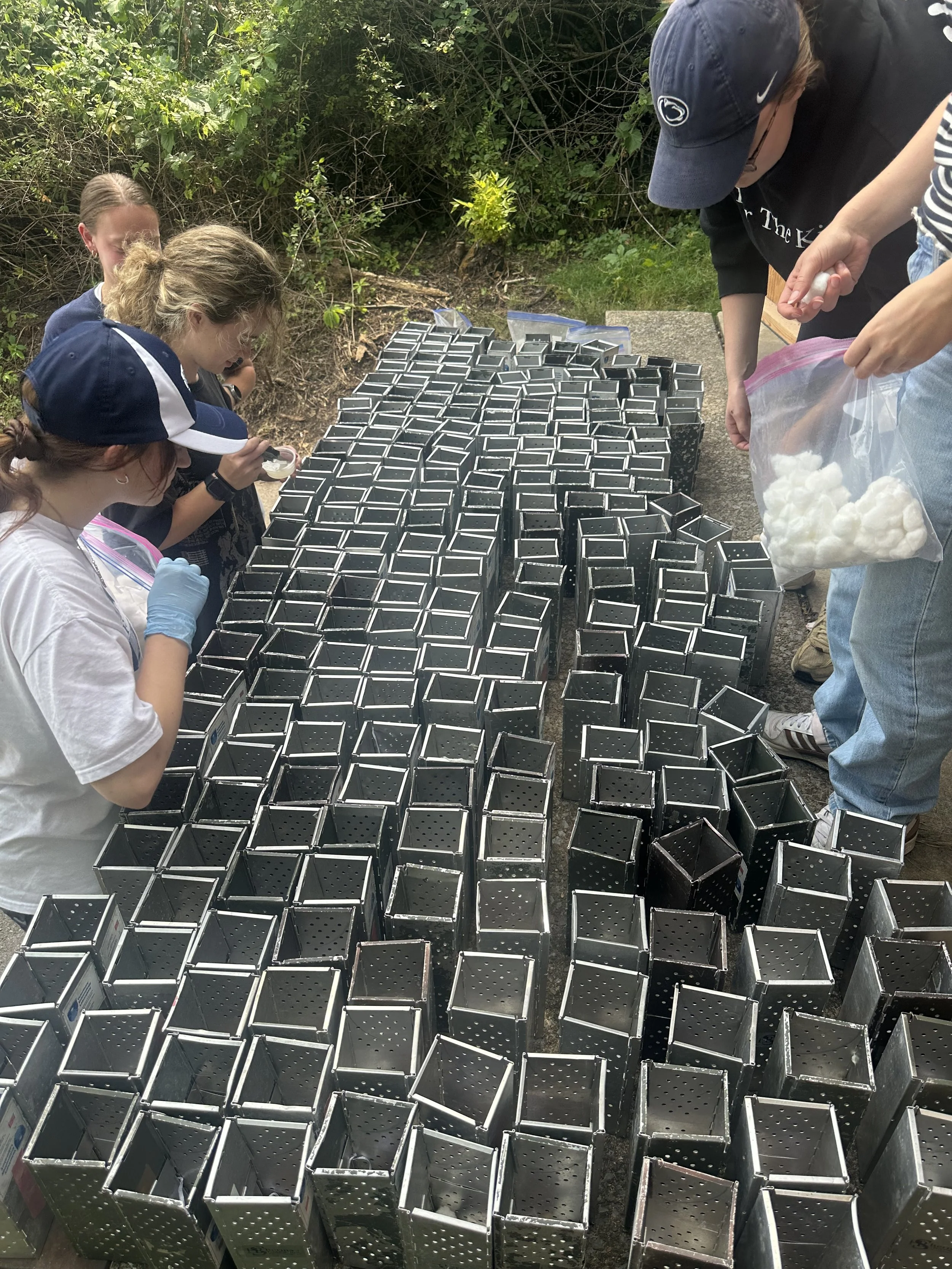
Gain invaluable lab experience for careers in public health, animal health, or environmental health. This internship is funded at each participating institution.
Networking
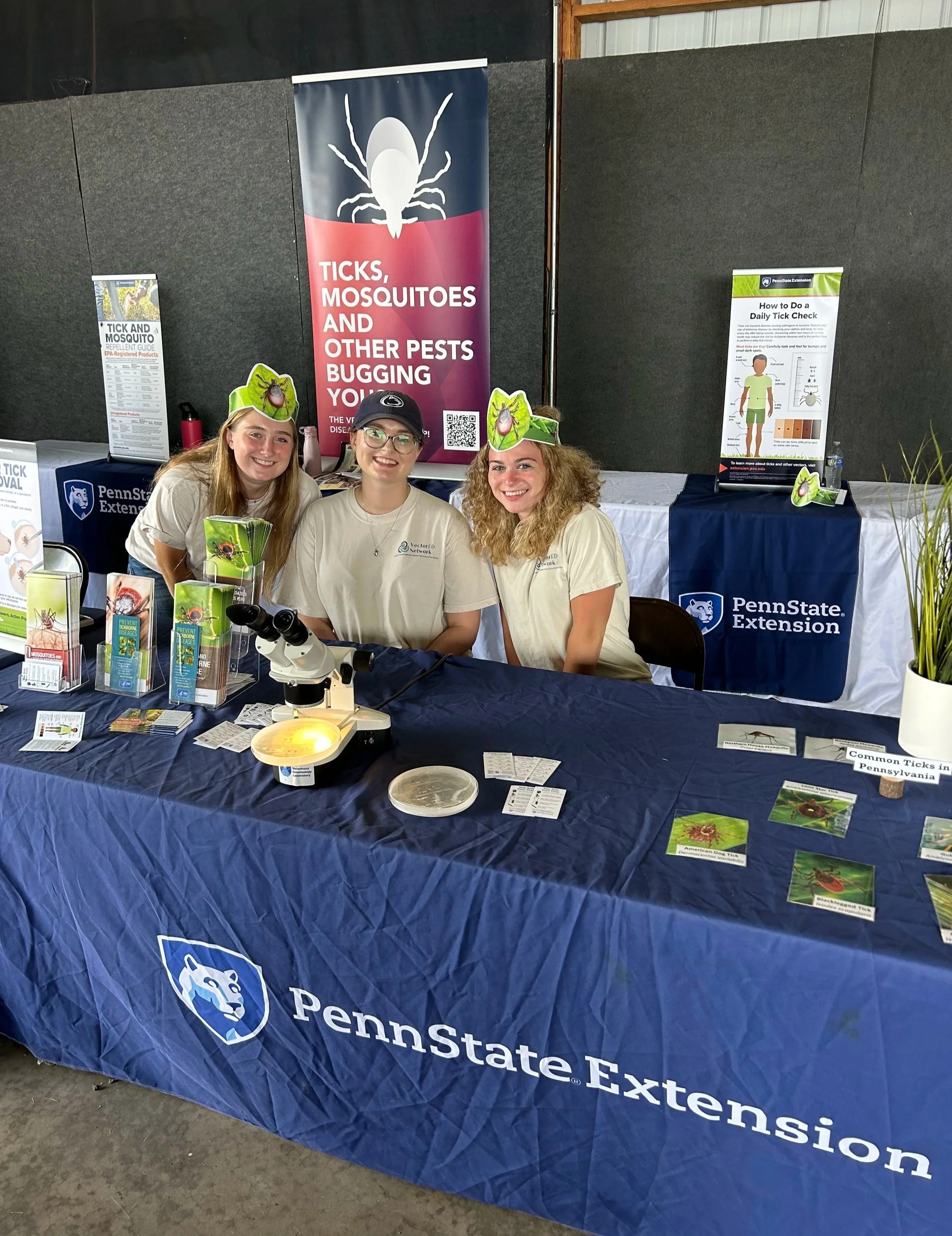
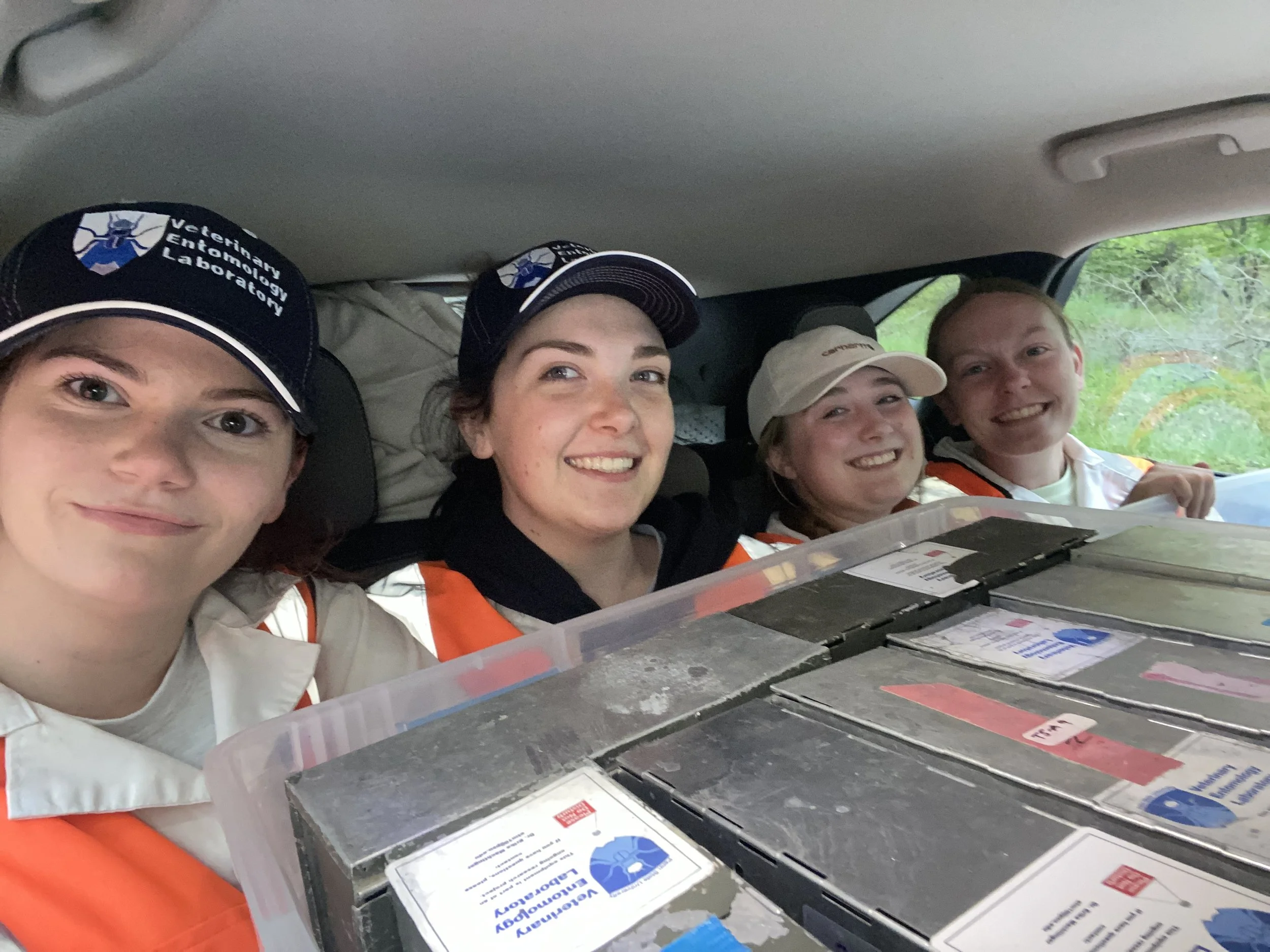
Connect with interns from six participating institutions and meet professionals working across public health, ecology, and animal health. Upon completion, you'll have a new network of colleagues and mentors to support your career.
Interested in Learning More?
Evaluation Reports
Hello, World!
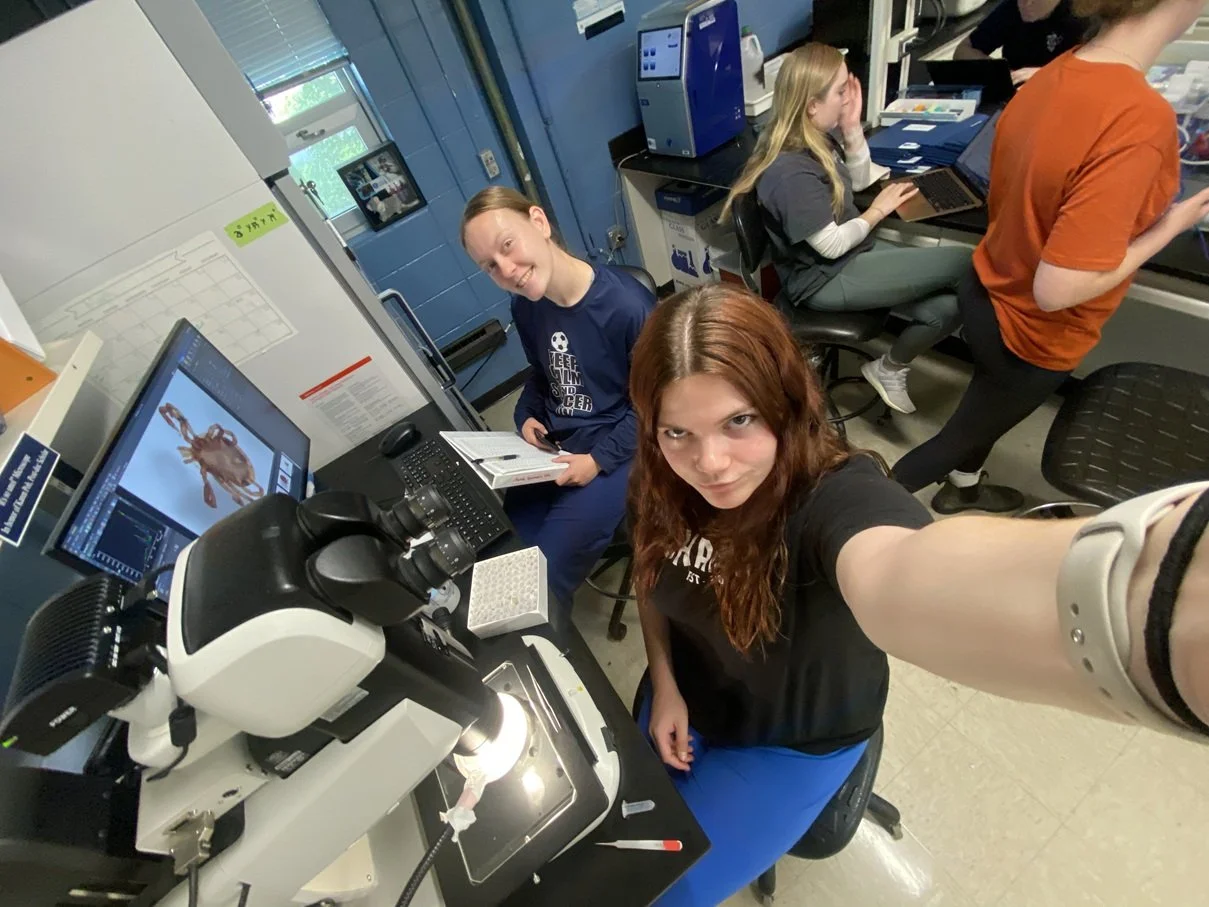
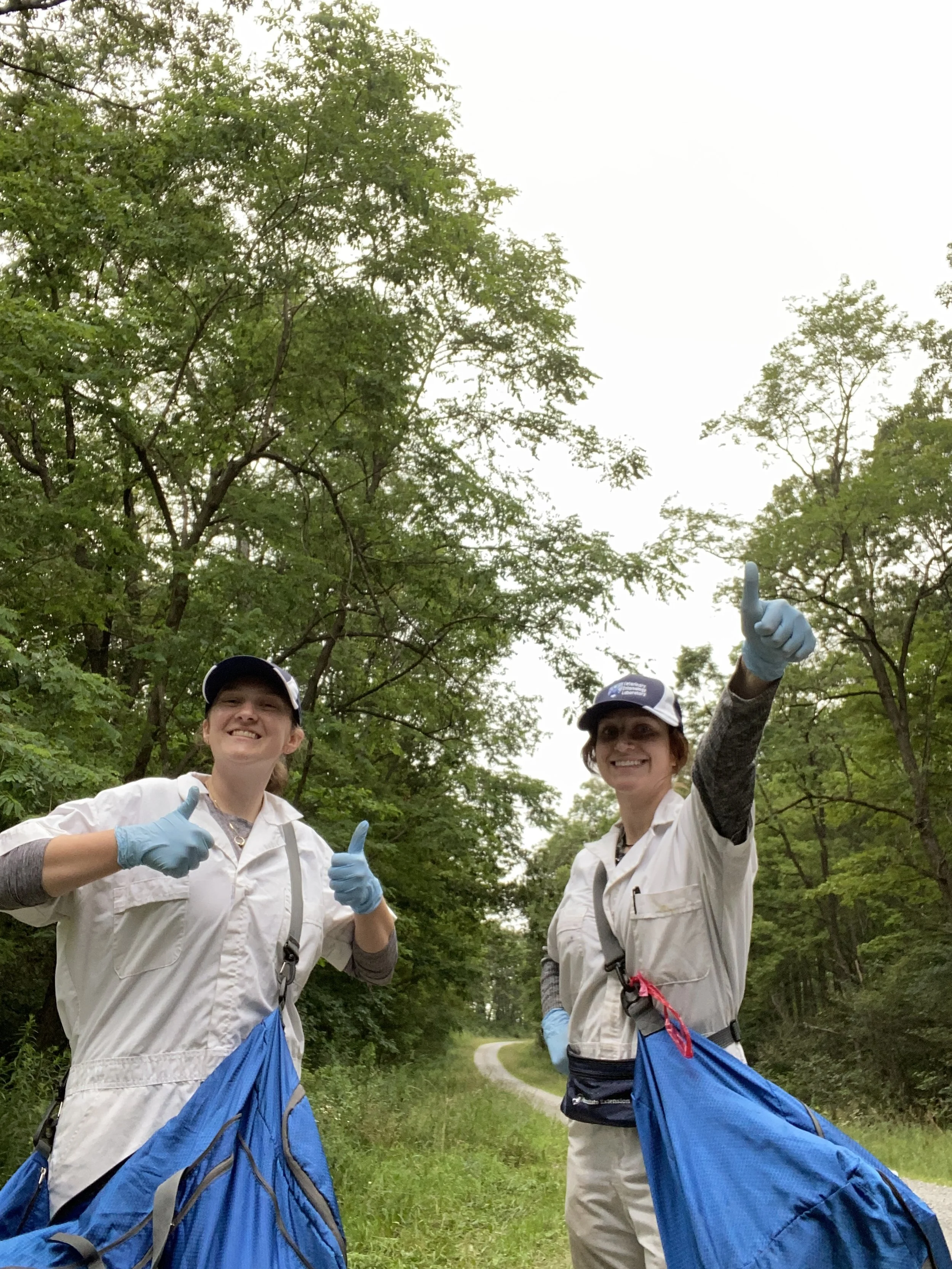
STN Graduates in Action